

Video can be one of the most powerful tools in your marketing strategy. It can make a complex service easier to understand, help prospective customers trust the people behind a business, and turn an ordinary campaign into something memorable.
But a beautiful video is not automatically an effective marketing asset.
Before you decide what to film, you need to know what the business is trying to accomplish, who the video needs to reach, what that audience needs to hear, where the content will be distributed, and what you want someone to do after watching it.
Those are not production decisions. They are strategy decisions, and they should be made before the camera ever comes out.
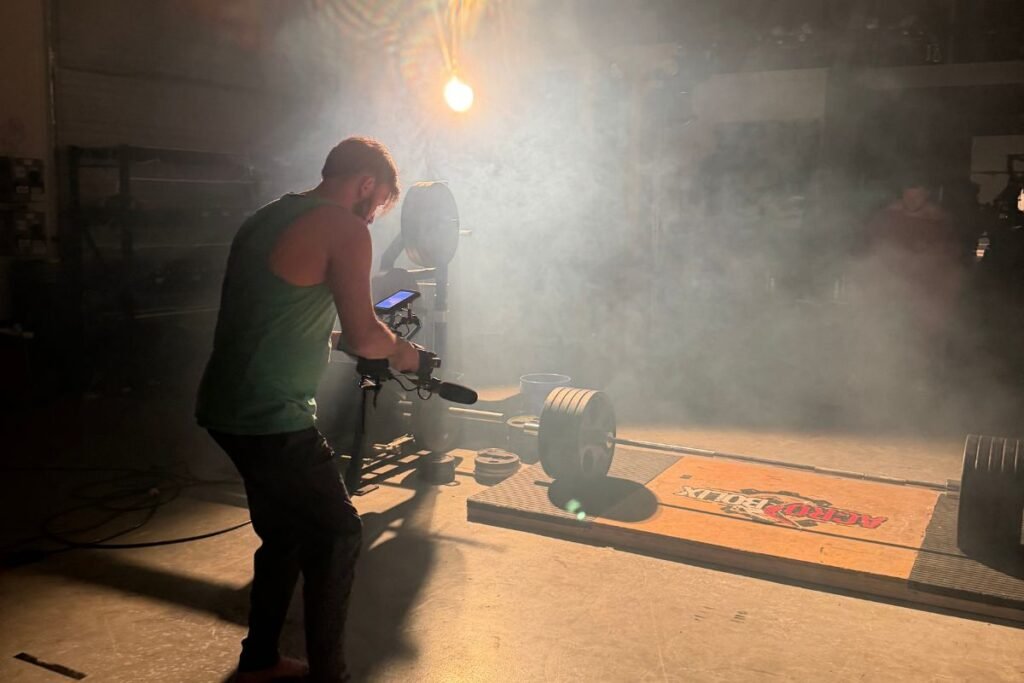
What is a video marketing strategy?
A video marketing strategy is the plan that connects video content to a specific business objective. It defines:
-
The audience the video needs to reach
-
The problem, need, or opportunity the message should address
-
The role of the video within the customer journey
-
The channels and placements where it will appear
-
The action viewers should take next
-
The results the business will use to evaluate performance
Production determines how the story will be captured. Strategy determines which story is worth telling in the first place.
Without that foundation, a business can invest in an impressive brand film, a batch of social clips, or a polished commercial and still be left asking: Now what do we do with it?
Why “we need a video” is not a strategy
Businesses often begin the process with a deliverable in mind:
- We need a homepage video.
- We need more Reels.
- We need a commercial.
- We need customer testimonials.
- We need a video for an upcoming campaign.
Any of those may be the right answer. But they should not be the first answer.
The better starting point is the business problem. Are you trying to introduce the company to a new market? Generate qualified leads for a high-value service? Help customers understand the difference between you and a competitor? Build trust before a sales conversation? Improve conversion on an important service page?
Each objective calls for a different message, format, distribution plan, and call to action. A 60-second brand story designed to create awareness should not be planned or measured like a 15-second paid social ad designed to generate leads.
When the objective is vague, the creative usually tries to do too much. The result may look good, but the message becomes broad, the audience is unclear, and performance is difficult to measure.
Should you hire a marketing agency or a video production company?
A video production company or freelance videographer may be exactly what you need when your internal team has already defined the campaign strategy, audience, message, distribution plan, and success metrics. In that situation, you are hiring a skilled production partner to execute an established vision.
The gap appears when a business expects a production partner to solve a marketing problem without giving them the strategic foundation to do it.
A traditional production team may create beautiful work, but it is not always responsible for:
-
Audience and competitive research
-
Brand positioning and offer strategy
-
Website and landing-page conversion planning
-
Paid media strategy and platform requirements
-
SEO and search intent
-
Lead generation and sales follow-up
-
Campaign reporting and optimization
If one partner develops the marketing plan and another creates the video in isolation, important context can get lost between them. The marketing team may receive assets that do not fit the placements it needs. The production team may never see the search data, customer objections, or conversion goals that should shape the story.
For growth-focused video, the strongest model is an integrated one: strategy, creative, distribution, and measurement planned together from the beginning.
That does not mean every business needs one enormous agency doing everything. It means one team needs to own the connective tissue between the business goal and the finished creative.
What should be decided before video production begins?
Before developing a concept or shot list, answer these seven questions:
1. What business objective are we supporting?
“Get more views” is not a business objective. The goal might be to enter a new market, increase quote requests, promote a priority service, shorten the sales cycle, or strengthen trust with a specific audience.
2. Who is the priority audience?
A founder, homeowner, facilities manager, and marketing director will not respond to the same message. The more clearly the audience is defined, the more relevant the story can become.
3. What does that audience need to understand or believe?
The most effective message is rarely a list of everything the company does. It addresses the question or concern that is keeping the right customer from taking the next step.
4. Where will the video appear?
A website hero, YouTube ad, LinkedIn post, Instagram Reel, sales presentation, and landing page all create different viewing conditions. Placement affects the opening hook, framing, length, aspect ratio, pacing, captions, and call to action.
5. What should the viewer do next?
Every campaign asset should move the audience somewhere: request a quote, explore a service, watch a longer story, download a resource, or start a conversation.
6. What other assets does the campaign require?
One shoot can often support a complete campaign ecosystem: a primary brand or campaign video, short-form cutdowns, paid-ad variations, website footage, still photography, testimonials, email content, and sales assets.
Planning these uses before production is more efficient than trying to retrofit one finished video into every channel later.
7. How will we measure success?
The right measurement depends on the video’s role. Useful signals may include qualified leads, landing-page conversion rate, cost per lead, video completion rate, engaged visits, branded search activity, or assisted conversions. Measurement should reflect the original business goal—not views alone.
What strategy-first video looks like in practice: Sweetwater Pools
Our work with Sweetwater Pools did not begin with a request to simply “make a few videos.”
Sweetwater serves both residential and commercial customers across multiple markets. Its work includes residential maintenance, repairs, renovations, and equipment upgrades as well as commercial pool management, staffing, safety, and aquatics services.
A generic company overview could not communicate all of that clearly, or speak equally well to a homeowner and a commercial decision-maker.
We began by planning the larger growth system: the website structure, priority audiences, service lines, geographic markets, search visibility, future paid media, and the paths different visitors should take through the site. That strategy then informed the content plan.
Instead of treating production as a separate deliverable, we planned footage and edited assets around their intended jobs: helping website visitors quickly identify the right service path, showing the people and professionalism behind the company, supporting location and service pages, and creating content that can be adapted for future campaigns.
The creative direction became stronger because it had a job to do.
That is the difference between producing a video and building a video-powered growth campaign.
Strategy does not make video less creative
Some businesses worry that a strategy-first process will make the creative safe, rigid, or overly corporate.
In reality, good strategy gives creativity a sharper target.
When the creative team understands the audience, the tension in the story, the desired emotion, the viewing environment, and the action that should follow, it can make more intentional choices. The concept can be bolder because everyone knows what the work needs to accomplish.
At Ember & Rise, we believe strategy creates direction and cinematic storytelling makes people feel it. You need both.
Strategy without strong creative may fail to earn attention. Creative without strategy may earn attention without moving the business forward.
Build the campaign before you build the shot list
If your business is considering video, don’t start by asking, “What kind of video should we make?”
Start here:
What are we trying to change in the business, who needs to see the message, and what should they do next?
Once those decisions are clear, the right story, format, production plan, and distribution strategy become much easier to define.
Ember & Rise is a growth-first creative agency based in Atlanta and serving brands across the Southeast and beyond. We bring growth strategy, cinematic storytelling, performance marketing, and conversion planning into one integrated process, so your content is built to do more than look good.
Planning a campaign that may include video? Let’s start a conversation and build the strategy before the cameras roll.
Frequently asked questions
Do I need a video marketing strategy before hiring a videographer?
Yes, unless your internal marketing team has already defined the business goal, audience, core message, placements, call to action, and measurement plan. A videographer can execute the production, but those strategic decisions should be made before filming begins.
What is the difference between video production and video marketing?
Video production is the process of planning, filming, and editing the content. Video marketing connects that content to an audience, channel, campaign objective, conversion path, distribution plan, and measurement system.
Is video marketing worth it for a service business?
It can be, especially when trust, expertise, process, or visible results influence the buying decision. Its value depends on whether the content supports a clear business goal and reaches the right audience, not simply on production quality or view count.
Can one video be used across a website, social media, and paid ads?
The same production can generate assets for all three, but one finished edit should not simply be posted everywhere. Each channel may require different lengths, openings, aspect ratios, captions, messages, and calls to action. Those variations should be planned before the shoot.
When should I hire a standalone video production company?
A standalone production partner can be a strong choice when your company already has marketing leadership, a defined campaign strategy, a distribution plan, and clear creative requirements. If those pieces are not yet established, look for a partner that can integrate marketing strategy with production.
Planning a campaign that may include video? Let’s start a conversation and build the strategy before the cameras roll.